6-5-2001


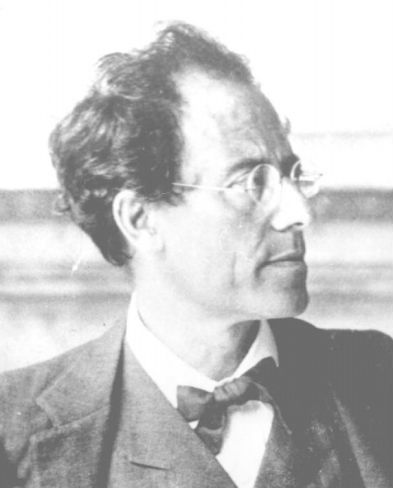
GUSTAV MAHLER

(1860 - 1911)


A minha familiaridade com a música de Mahler é relativamente recente. Data de 1994, ano em que Lisboa foi Capital Europeia da Cultura. No ciclo Grandes Orquestras Mundiais, vieram agrupamentos musicais notáveis ao Coliseu interpretar as sinfonias de Mahler. Ouvi umas três, entre as quais uma belíssima interpretação da Sinfonia dos 1000, a Oitava, assim chamada porque o compositor apontava como sendo mil, o número mínimo de intérpretes! Infelizmente, não há em Portugal orquestras capazes de interpretar Mahler, por maiores reforços que lhes juntem.  Mais tarde, ouvi outras interpretações em Bruxelas e ainda uma Sexta Sinfonia em Veneza, pela Orquestra do Teatro La Fenice, a actuar numa enorme tenda de campanha, enquanto não está reconstruído o teatro, após o incêndio. 

Depois disso, comprei já as sinfonias, os Lieder eines fahrenden Gesellen ,  os Kindertotenlieder, Das Lied von der Erde, li duas biografias dele e outras duas de Alma Mahler.  


Entretanto, durante um curso de duas semanas em Berlim, tive ocasião de ouvir em 18 de Agosto de 2001, uma bela interpretação da 4.ª Sinfonia pela Gustav Mahler Jugendorchester no Konzerhaus do Gendarmeparkt. Dirigia Ivan Fischer (n. em 1951) e cantou a canção final a soprano inglesa Amanda Roocroft. Não foi talvez uma interpretação muito subtil (a orquestra é composta de jovens na casa dos 25 anos), mas foi um momento musical que me agradou muito e chegou a pôr-me os cabelos em pé. A orquestra é muito poderosa.

A música de Mahler não é assim tão difícil como às vezes se diz. É uma música algo complexa, pela variedade e novidade de alguns sons e instrumentos e a inclusão do canto nas sinfonias. Além disso, é uma música que não cansa, pois, quanto mais se ouve, melhor se percebe. Não é muito extensa, cabe em quinze ou dezasseis CD's. Ele teve uma vida bastante curta, e dedicou-se muito à direcção de orquestra e de teatros, pois tinha de ganhar a vidinha e escrever música não dava grandes resultados para isso. Aliás, os últimos anos foram passados na América, onde auferia rendimentos que seriam inacessíveis na Europa. O casamento com Alma Mahler foi para ele uma fonte permanente de inspiração, pois aquela jovenzinha de extracção burguesa revelou-se uma mulher extraordinária (Pode ver a minha página sobre ela, aqui).

Existem muitos textos sobre Mahler na Net, e dispenso-me de acrescentar mais coisas aqui.

Pode ver-se o artigo da Enciclopédia Britânica, a muito completa página de Jason Greshes, a de Paul Zucas e, finalmente, a enorme discografia de Vincent Mouret, em francês ou inglês. Estas páginas contêm depois listas com numerosos outros links.

5-7-2003 – Mahler tem sido ouvido de novo em Lisboa, agora pela mão da Orquestra Sinfónica Portuguesa. Ontem, dia 4, fui ao Teatro Nacional de S. Carlos ouvir uma bela interpretação da 9.ª Sinfonia, com a orquestra sob a direcção de Jeffrey Tate, que valeu realmente a pena. Para mim, esta é uma das sinfonias que tem de ser ouvida tocada ao vivo, para apreender todas as suas nuances.

Em 15 de Novembro de 2002, já ali ouvira a 3.ª Sinfonia, dirigida por Zoltán Peskó e a participação da mezzo soprano Mariana Pentcheva, que também me encheu as medidas.

2004 - Também em 2004, vi e ouvi em Lisboa magníficas interpretações de Mahler. No Coliseu, no âmbito do ciclo Grandes Orquestras Mundiais, a 27 de Abril, a Orquestra do Festival de Budapeste tocou a Sinfonia n.º 9, dirigida por Iván Fischer; a 27 de Maio, a Orquestra de Filadélfia, dirigida por Christoph Eschenbach executou a Sinfonia n.º 1. A 27 de Junho, no Centro Cultural de Belém, a Orquestra Sinfónica Portuguesa, dirigida por Jeffrey Tate executou a Canção da Terra, com as vozes de Keith Lewis e Petra Lang. Todas brilhantes interpretações.

2005 - Grandes Orquestras vieram também este ano a Lisboa interpretar Mahler. A 18 de Janeiro, veio de Paris a Orquestra Filarmónica de Rádio France, para, dirigida por Myung-Whun Chung, executar a Sinfonia n.º 5. A 9 de Fevereiro, a Royal Concertgebouworkest (Orquestra Real do Palácio de Concertos) de Amsterdão, dirigida pelo Maestro Mariss Jansons, executou a Sinfonia n.º 6, em Lá menor, Trágica. Ambas, mas especialmente a segunda, foram interpretações inesquecíveis.

2006 - Dentro do ciclo "Grandes Orquestras Mundiais", a Orquestra da Gewandhaus de Leipzig, dirigida pelo Maestro milanês Riccardo Chailly interpretou poderosamente a Sinfonia n.º 7, no concerto de 4-3-2006, no Coliseu dos Recreios.


Lieder eines fahrenden Gesellen


1. 


Wenn mein Schatz Hochzeit macht,

Fröhliche Hochzeit macht,

Hab' ich meinen traurigen Tag!

Geh' ich in mein Kämmerlein,

Dunkles Kämmerlein,

Weine, wein' um meinen Schatz,

Um meinen lieben Schatz!

Blümlein blau! Verdorre nicht!

Vöglein süß! Du singst auf grüner Heide.

Ach, wie ist die Welt so schön!

Ziküth! Ziküth!

Singet nicht! Blühet nicht!

Lenz ist ja vorbei!

Alles Singen ist nun aus.

Des Abends, wenn ich schlafen geh',

Denk' ich an mein Leide.

An mein Leide! 


2. 

Ging heut morgen übers Feld

Tau noch auf den Gräsern hing;

Sprach zu mir der lust'ge Fink:

"Ei du! Gelt? Guten Morgen! Ei gelt?

Du! Wird's nicht eine schöne Welt?

Zink! Zink! Schön und flink!

Wie mir doch die Welt gefällt!"


Auch die Glockenblum' am Feld

Hat mir lustig, guter Ding',

Mit den Glöckchen, klinge, kling,

Ihren Morgengruß geschellt:

"Wird's nicht eine schöne Welt?

Kling, kling! Schönes Ding!

Wie mir doch die Welt gefällt! Heia!"


Und da fing im Sonnenschein

Gleich die Welt zu funkeln an;

Alles Ton und Farbe gewann

Im Sonnenschein!

Blum' und Vogel, groß und klein!

"Guten Tag, ist's nicht eine schöne Welt?

Ei du, gelt? Schöne Welt?"


Nun fängt auch mein Glück wohl an?

Nein, nein, das ich mein',

Mir nimmer blühen kann! 


3.

Ich hab' ein glühend Messer 

Ich hab' ein glühend Messer,

Ein Messer in meiner Brust,

O weh! Das schneid't so tief

In jede Freud' und jede Lust.

Ach, was ist das für ein böser Gast!

Nimmer hält er Ruh', nimmer hält er Rast,

Nicht bei Tag, noch bei Nacht, wenn ich schlief.

O Weh!


Wenn ich in dem Himmel seh',

Seh' ich zwei blaue Augen stehn.

O Weh! Wenn ich im gelben Felde geh',

Seh' ich von fern das blonde Haar

Im Winde wehn.

O Weh!


Wenn ich aus dem Traum auffahr'

Und höre klingen uhr silbern' Lachen,

O Weh!

Ich wollt', ich läg auf der schwarzen Bahr',

Könnt' nimmer die Augen aufmachen! 


4. 

Die zwei blauen Augen von meinem Schatz 

Die zwei blauen Augen von meinem Schatz,

Die haben mich in die weite Welt geschickt.

Da mußt ich Abschied nehmen

Vom allerliebsten Platz!

O Augen blau, warum habt ihr mich angeblickt?

Nun hab' ich ewig Leid und Grämen.


Ich bin ausgegangen in stiller Nacht

Wohl über die dunkle Heide.

Hat mir niemand Ade gesagt.

Ade! Mein Gesell' war Lieb' und Leide!

Auf der Straße steht ein Lindenbaum,

Da hab' ich zum ersten Mal im Schlaf geruht!


Unter dem Lindenbaum, der hat

Seine Blüten über mich geschneit,

Da wußt' ich nicht, wie das Leben tut,

War alles, alles wieder gut!

Alles! Alles, Lieb und Leid

Und Welt und Traum!


Songs of a wayfarer


1.


When my darling has her wedding-day,  

her joyous wedding-day,  

I will have my day of mourning!  

I will go to my little room,  

my dark little room,  

and weep, weep for my darling,  

for my dear darling!  

Blue flower! Do not wither!  

Sweet little bird - you sing on the green heath!  

Alas, how can the world be so fair?  

Chirp! Chirp!  

Do not sing; do not bloom!  

Spring is over.  

All singing must now be done.  

At night when I go to sleep,  

I think of my sorrow,

of my sorrow!


2.

I walked across the fields this morning;  

dew still hung on every blade of grass.  

The merry finch spoke to me:  

"Hey! Isn't it? Good morning! Isn't it?  

You! Isn't it becoming a fine world?  

Chirp! Chirp! Fair and sharp!  

How the world delights me!"  


 Also, the bluebells in the field  

merrily with good spirits  

tolled out to me with bells (ding, ding)  

their morning greeting:  

"Isn't it becoming a fine world?  

Ding, ding! Fair thing!  

How the world delights me!"  


 And then, in the sunshine,  

the world suddenly began to glitter;  

everything gained sound and color  

in the sunshine!  

Flower and bird, great and small!  

"Good day, is it not a fine world?  

Hey, isn't it? A fair world?"  


 Now will my happiness also begin?  

No, no - the happiness I mean  

can never bloom!  


3.

I have a red-hot knife,  

a knife in my breast.  

O woe! It cuts so deeply  

into every joy and delight. 

Alas, what an evil guest it is!  

Never does it rest or relax,  

not by day or by night, when I would sleep.  

O woe!


When I gaze up into the sky

I  see two blue eyes there.  

O woe! When I walk in the yellow field,  

I see from afar her blond hair  

waving in the wind.  

O woe!  


When I start from a dream  

and hear the tinkle of her silvery laugh,  

O woe!

Would that I lay on my black bier -  

Would that I could never again open my eyes!  


4.

The two blue eyes of my darling -  

they have sent me into the wide world.  

I had to take my leave  

of this well-beloved place!  

O blue eyes, why did you gaze on me?  

Now I will have eternal sorrow and grief.


I went out into the quiet night  

well across the dark heath.  

To me no one bade farewell.  

Farewell! My companions are love and sorrow!  

On the road there stands a linden tree,  

and there for the first time I found rest in sleep!  


Under the linden tree that  

snowed its blossoms onto me -  

I did not know how life went on,

and all was well again!  

All! All, love and sorrow  

and world and dream!


2.ª SINFONIA


Urlicht


O Röschen rot,

 Der Mensch liegt in größter Not,

 Der Mensch liegt in größter Pein,

 Je lieber möcht' ich im Himmel sein.

 Da kam ich auf einem breiten Weg,

 Da kam ein Engelein und wollt' mich abweisen.

 Ach nein, ich ließ mich nicht abweisen!

 Ich bin von Gott und will wieder zu Gott,

 Der liebe Gott wird mir ein Lichtchen geben,

 Wir leuchten mir bis in ds ewig selig' Leben!


 O Mensch! Gib acht! 


                       (Aus Des Knaben Wunderhorn)


Auferstehung


Chor und Sopran:

 Aufersteh'n, ja aufersteh'n wirst du,

 Mein Staub, nach kurzer Ruh!

 Unsterblich Leben

 Wird, der dich rief, dir geben.

 Wieder aufzublüh'n, wirst du gesät!

 Der Herr der Ernte geht

 Und sammelt Garben

 Uns ein, die starbe!


Alt solo:

 O glaube, mein Herz, o glaube:

 Es geht dir nichts verloren!

 Dein ist, ja dein, was du gesehnt,

 Dein, was du geliebt, was du gestritten!


Sopran solo:

 O glaube: Du wardst nicht umsonst geboren!

 Hast nicht omsonst gelebt, gelitten!


Chor und Alt:

 Was entstanden ist, das muß vergehen!

 Was vergangen, auferstehen!

 Hör auf zu beben!

 Bereite dich zu leben!


Sopran und Alt solo:

 O Schmerz! Du Alldurchdringer!

 Dir bin ich entrungen.

 O Tod! Du Allbezwinger!

 Nun bist du bezwungen!

 Mit Flügeln, die ich mir errungen,

 In heißem Liebessreben

 Werd ich entschweben

 Zum Licht, zu dem kein Aug gedrungen!


Chor:

 Mit Flügeln, die ich mir errungen,

 Werd ich entschweben!

 Sterben wird ich, um zu leben!

 Aufersteh'n, ja aufersteh'n wirst du,

 Mein Herz, in einem Nu!

 Was du geschlagen,

 Zu Gott wird es dich tragen!


PRIMAEVAL LIGHT (Fourth movement)

Contralto solo


Thou red rose!

Man’s lot is of such extreme necessity,

of such bitter pain,

I had far rather be in heaven.

I came upon a wide highway

when a little angel appeared and tried to send me back.

Oh, no! I refused to be sent back!

I am from God and shall return to God!

Dear, merciful God will give me a little light

to light my way to everlasting bliss!


                        (From The Youth’s Magic Horn)


RESSURRECTION (fifth movement)

Chorus, soprano solo


You will rise again, yes rise again,

my mortal dust, after short repose.

Eternal life will He grant you,

who called you to Him!

You are sown in order to blossom again.

The Lord of the harvest goes forth

and gathers us in sheaves

when we have died.


Contralto solo

Oh believe, my heart, only believe:

nothing is lost to you!

All that you yearned for is yours;

yours, all that you loved and fought for.


Soprano solo

Oh believe: you were not born in vain!

You did not live or suffer in vain!


Chorus, contralto solo

All that is created must die.

All that has died must rise again.

Cease your trembling!

Prepare yourself to live!


Soloists, chorus

O grief, all-pervading,

I have escaped you!

O death, all-conquering,

now are you conquered.

On wings that I have won

by the ardent labours of love,

I shall soar aloft to that light

to which no mortal eye has penetrated.


On wings that I have won

I shall soar aloft to that light!

I shall die, so that I may live again!

You will rise again, yes rise again,

my heart, in a trice.

Your beating will suffice

to carry you to God!


3.ª SINFONIA


O Mensch! Gib acht!  


ALTSOLO


O Mensch! Gib acht!

Was spricht, die tiefe Mitternacht?

"Ich schlief, ich schlief -,

Aus tiefem Traum bin ich erwacht: -

Die Welt ist tief,

Und tiefer als der Tag gedacht.

Tief ist ihr Weh -,

Lust - tiefer noch als Herzeleid:

Weh spricht: Vergeh!

Doch alle Lust will Ewigkeit -,

- Will tiefe, tiefe Ewigkeit!"